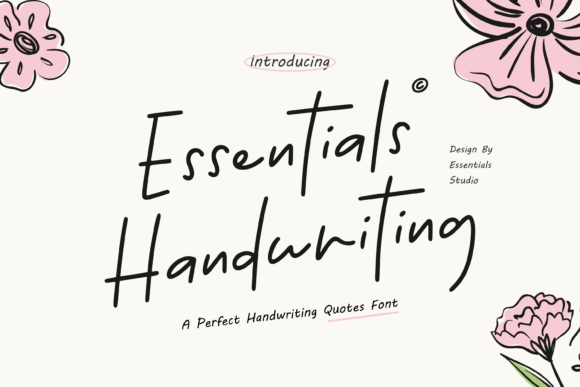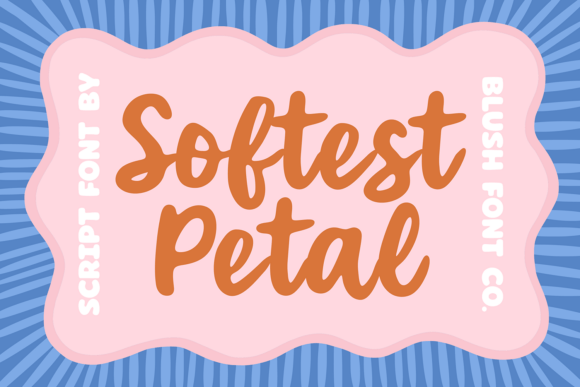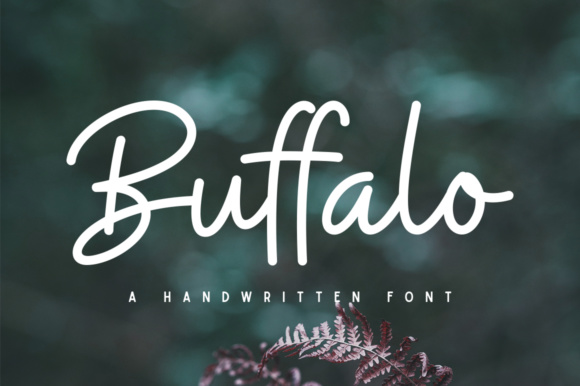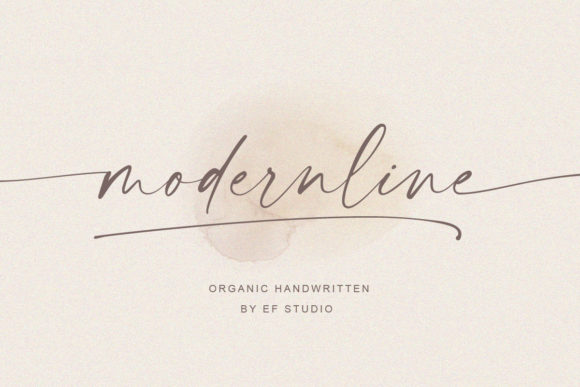
Signature: A Font That Feels Like a Handwritten Note
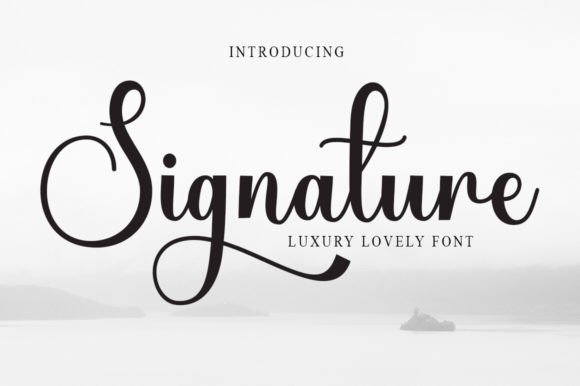
There’s a certain magic in a handwritten signature. It’s personal, unique, and carries an inherent warmth that digital text often misses. The Signature font captures this exact feeling, translating the fluid, graceful motion of a pen into a digital typeface. This isn’t just another script font; it’s a creative font designed to bridge the gap between artisanal charm and professional polish. Its letters flow into one another with a natural, rhythmic cadence, creating a harmonious balance that feels both spontaneous and meticulously crafted.
The Visual Personality: More Than Just Cursive
At its core, Signature is a handwritten font defined by its elegant, connecting strokes. It avoids the overly formal rigidity of some calligraphic styles, instead embracing a relaxed, modern elegance. The letterforms are beautifully balanced, with a subtle variation in stroke weight that mimics the pressure of a real pen on paper. This gives it an authentic, human touch that resonates on an emotional level. It’s a display font with a dual personality: sophisticated enough for high-end branding yet approachable enough for a heartfelt personal project. The overall appeal lies in its ability to feel intimate without sacrificing readability, making it a versatile design asset.
Where Signature Truly Shines: Practical Applications
Knowing where a font works best is key to using it effectively. Signature excels in contexts where a personal, luxurious, or artisanal touch is desired. Its strengths are evident across a wide spectrum of creative and commercial work.
- Brand Identity & Logo Design: For businesses built on personal service, craftsmanship, or luxury—think boutique hotels, wedding planners, artisan bakeries, or high-end consultancies—Signature helps build a brand identity that feels exclusive and memorable. It’s an excellent choice for a primary logo or a complementary brand mark.
- Wedding & Event Stationery: This is a natural home for the font. Its amorous and elegant atmosphere is perfect for wedding materials, from invitations and save-the-dates to menu cards and thank-you notes. It sets a tone of relaxed refinement from the very first glance.
- Editorial & Packaging Design: In editorial design, use it for pull quotes, chapter headings, or magazine mastheads to inject personality. For packaging design, especially on products like cosmetics, gourmet foods, or specialty goods, it adds a layer of perceived quality and care.
- Digital Presence & Marketing: While best used sparingly for web design headlines or hero text, it’s a powerhouse for social media graphics, promotional banners, and email headers. It instantly elevates fashion brochures and promotional campaigns, lending them an air of luxury.
- Personal Projects: For crafters and hobbyists, it’s ideal for creating custom greeting cards, personalized gifts, or scrapbooking elements. It brings a professional, designer-quality feel to DIY projects.
The Strategic Impact on Your Projects
Choosing a font like Signature isn’t just an aesthetic decision; it’s a strategic one that influences how your audience perceives your message.
Visual Hierarchy & Readability: As a display font, its primary role is to command attention. Use it for headlines, titles, or short bursts of impactful text. Pairing it with a clean, neutral sans serif font or a classic serif font for body copy creates a clear and effective visual hierarchy. This pairing ensures the personality of Signature shines without compromising the readability of longer paragraphs.
Brand Perception & Consistency: The font you choose is a silent ambassador for your brand. Signature communicates elegance, attention to detail, and a personal touch. When used consistently across your logo, website, and print materials, it builds a cohesive and recognizable brand identity. It tells customers you value quality and aesthetics, which can foster stronger audience engagement and trust.
Professionalism & Recognition: A well-chosen premium font like this one signals professionalism. It shows you’ve invested in your visual language, moving beyond generic, overused typefaces. This distinctiveness aids in brand recognition, helping your materials stand out in a crowded marketplace.
Using Signature Wisely: A Practical Guide
To get the most out of this creative font, a thoughtful approach is necessary.
- Evaluate the Project Fit: Does your project call for warmth, personality, and a touch of luxury? If the answer is yes, Signature is a strong candidate. For projects requiring extreme formality or dense information, a more neutral typeface might be better suited for primary use.
- Test Font Pairings: Don’t use it in isolation. Experiment with pairing it alongside a sturdy sans serif font like Montserrat or a timeless serif font like Garamond. The contrast will make the script stand out while ensuring overall legibility.
- Review Included Styles: A quality commercial font often comes with stylistic alternates, ligatures, or different weight variations. Explore these options. An alternate “g” or “s” can sometimes better suit your specific letter combinations, adding another layer of customization.
- Mind the Readability: Always test the font at the size it will be viewed. What looks stunning in a large headline might become difficult to decipher in a small caption. Ensure key information remains clear.
- Confirm Commercial Licensing: For any professional or commercial use—from a client’s logo to product packaging or a monetized blog—always verify you have the correct commercial font license. This protects you and respects the work of the type designer.
In the end, the Signature font is more than a set of letters; it’s a tool for storytelling. It allows designers, marketers, and small business owners to inject a genuine sense of craft and personality into their work. By understanding its character and applying it strategically, you can use this typeface to create designs that don’t just look beautiful, but feel authentically connected to their audience. It’s a testament to how thoughtful modern typography can transform the ordinary into the extraordinary.